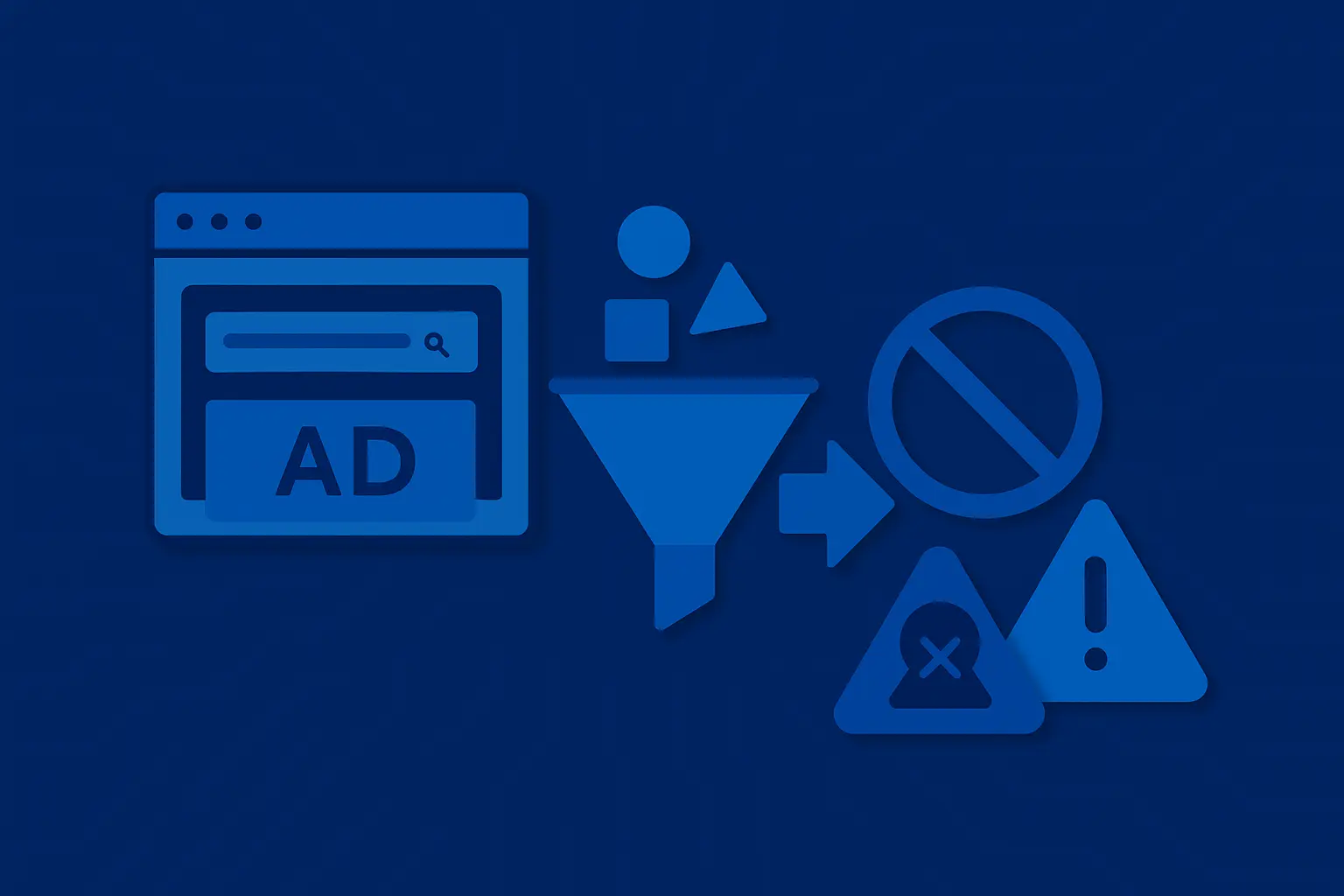
It is a remarkably common story in modern marketing departments. The budgets have been approved. The campaigns have been crafted. The keywords have been researched. The traffic starts flowing. The dashboard lights up with clicks. And yet — the conversions are conspicuously absent. There is frustration in the room. The finger-pointing begins. The ad copy comes under scrutiny. Targeting is questioned. Bidding strategies are revised. And very often, this entire cycle plays out without anyone bothering to look at the place where the real damage is happening: the website itself.
At Quantum Pixel, we have seen this loop play out repeatedly across industries. Teams agonising over Google Ads performance, when the root cause of failure sits silently in their own backyard — the website, neglected, bloated, and woefully unprepared to convert the traffic they are so diligently paying for. The truth, uncomfortable as it may be, is this: bad websites quietly sabotage good campaigns.
This phenomenon operates like a silent tax. Every dollar spent on acquisition loses effectiveness because the moment of arrival — that crucial first impression when a visitor lands on your site — fails to deliver on the promise the ad made.
Why Speed Amplifies Failure When Foundations Are Weak
Google Ads do not inherently create demand. They direct it. They funnel user intent towards your brand. But if the reception is broken, even the most well-targeted user will bounce. The reason so many businesses experience abysmal conversion rates from paid traffic has less to do with campaign misfires and more to do with what happens after the click.
High-speed acquisition simply magnifies weaknesses. A landing page that loads too slowly becomes exponentially more damaging when hundreds of users are driven there daily. A product page riddled with distractions becomes a conversion graveyard when amplified through aggressive advertising. Every flaw compounds under scale, and nowhere is this more brutally exposed than in paid traffic funnels.
The Post-Click Experience: Where Most Campaigns Quietly Collapse
What separates profitable advertising campaigns from cash-burning ones is not always the creative quality of the ad itself, but the frictionlessness of the post-click experience. This is where many businesses fail entirely. They spend weeks refining search terms and perfecting ad copy, but ignore the simple reality that users decide to engage — or leave — based on how fast, clear, and relevant the destination page feels.
Time after time we observe the same missteps. Sites that take multiple seconds to load on mobile connections. Landing pages cluttered with corporate speak and tangential offers. Contact forms buried under illogical layouts. Product pages promising next-day delivery while checkout pages require creating an account and filling out fifteen fields. These are not dramatic, headline-grabbing errors. They are slow, corrosive leaks that quietly siphon away conversion opportunities with every passing visitor.
The Mirage of Blaming Traffic Quality When the Real Problem Is Closer to Home
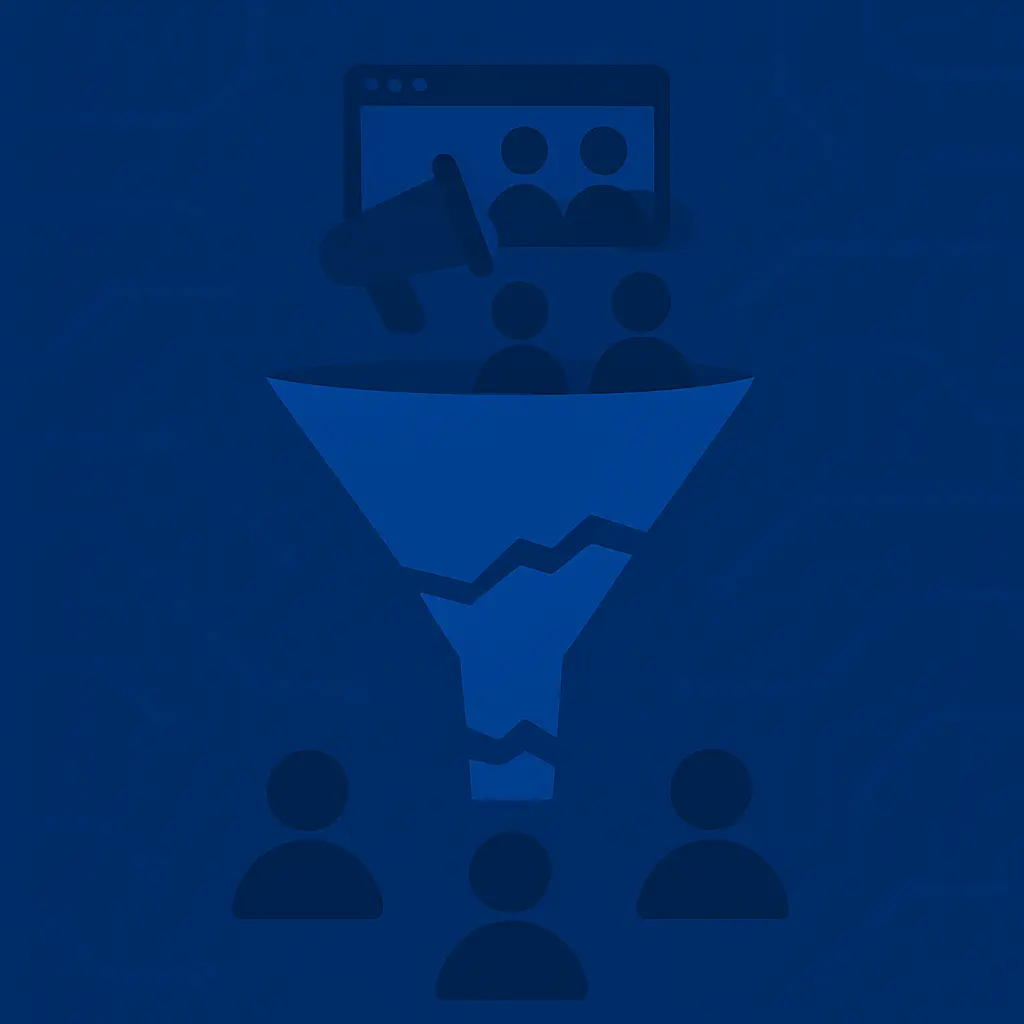
It becomes a dangerous feedback loop. Teams see poor conversion rates and assume the traffic is low quality. They conclude Google Ads “don’t work” for their industry. They experiment with new copy, they broaden targeting, they tinker with budgets. The campaigns get more expensive and less effective because the foundational flaw remains unaddressed. No amount of micro-optimisation in the ad account will compensate for an experience that fails to convert intent into action.
And the tragedy is, many companies abandon otherwise viable campaigns not because the demand isn’t there, but because their website systematically undermines the user journey. The conversion issue is misdiagnosed, leading to wasted potential and misallocated resources.
The Real Solution Is Relentless Funnel Repair, Not Endless Ad Tinkering
There is a corrective path, but it begins with acknowledging the root cause. It starts with dissecting the customer journey not at the keyword or ad level, but from the point of landing onward. This process requires brutal honesty about load times, responsiveness, message continuity, clarity of offer, and ease of conversion.
Companies that fix their website bottlenecks see dramatic uplifts without increasing ad spend. They see bounce rates halved, time-on-page improved, and conversion rates doubled simply by removing the friction that was previously ignored. It is not glamorous work. It does not result in fancy advertising awards. But it pays dividends where it matters: in pipeline, in closed deals, in revenue.
Stop Blaming the Traffic When It’s the Website That’s Broken
The uncomfortable truth is that Google Ads are not broken. They are ruthlessly efficient at exposing the weaknesses of your digital funnel. They are not underperforming. They are revealing.
At Quantum Pixel, we advise every client to resist the reflex of blaming the acquisition channel when conversion falters. Instead, the imperative should be to dissect, refine, and optimise the website experience until it can convert organic visitors before scaling paid campaigns. Because speed without efficiency is a liability, not an asset.
If your paid traffic feels like a money pit, the answer is not to pause campaigns indefinitely — it is to fix the leaks in your conversion flow. Only then does paid acquisition become a genuine multiplier for growth rather than an amplifier of inefficiency.